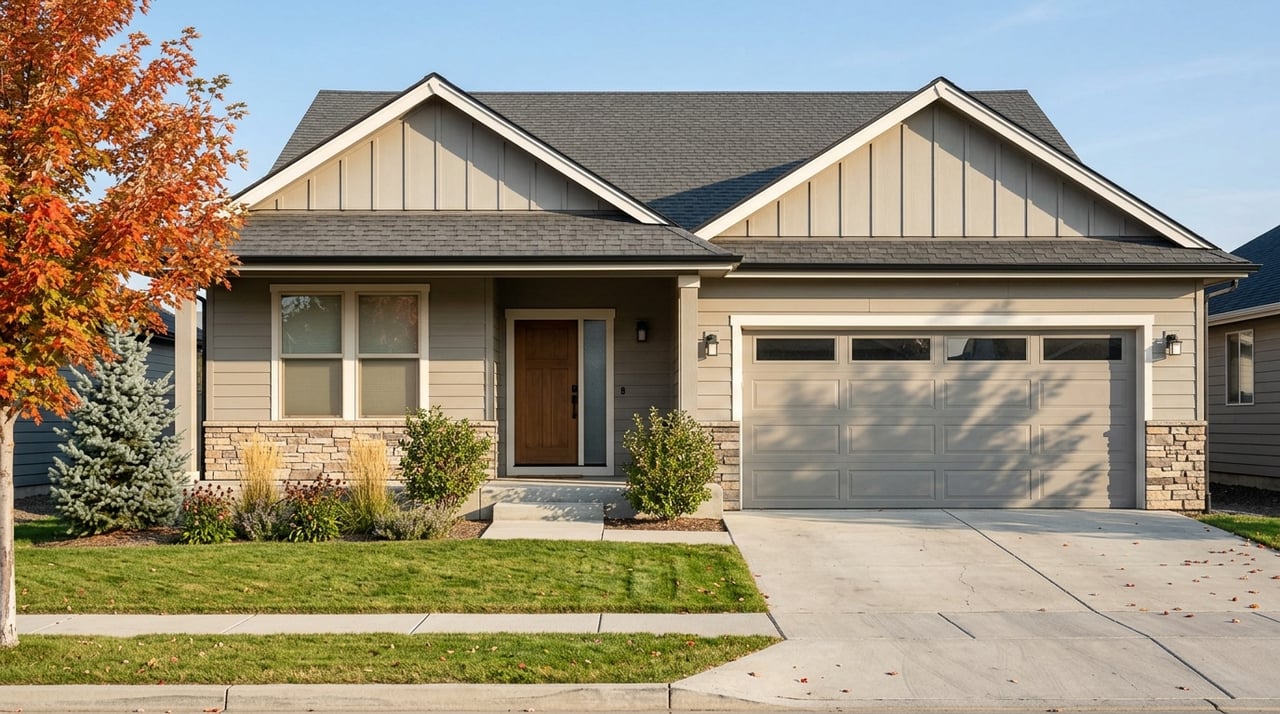
A Buyer’s Guide to Broomfield Master Planned Communities
July 2, 2026
July 2, 2026
Looking for a neighborhood that offers more than just a house? In Broomfield, that idea is built into the city’s DNA. If you are weighing the pros and cons of a master-planned community, this guide will help you understand how Broomfield works, what different planned neighborhoods feel like, and what costs and rules you should review before you buy. Let’s dive in.
Broomfield has a long planning history, and that matters when you are choosing a neighborhood. According to the city, Broomfield was conceived as a model city with a balance of residential and commercial land use, plus generous open space, parks, and natural areas. That planning tradition still shapes how many parts of the city feel today.
For buyers, that often translates into neighborhoods that connect well to daily life. Roads, parks, mixed-use areas, and community amenities were not added as an afterthought. In many parts of Broomfield, they are part of the original plan.
Another major draw is location. Broomfield sits roughly between Denver and Boulder and connects to major routes including I-25, US 36, US 287, CO 7, CO 121, CO 128, and the Northwest Parkway. The city also notes that many residents commute to larger metro centers, which makes Broomfield appealing if you want one home base with access in multiple directions.
Transit adds another layer of convenience. Broomfield offers access to the Flatiron Flyer, park-and-ride stations, FlexRide, and other regional options. If your work, social life, or family schedule stretches across the Front Range, that flexibility can be a real advantage.
Master-planned communities in Broomfield usually offer more than rows of homes. In general, you can expect a mix of housing types, shared amenities, parks or trails, and design standards that create a more consistent look and feel. Some also include HOA oversight and metro district taxes, so the lifestyle often comes with a more structured ownership model.
That structure can be a plus if you want predictable community design and shared spaces. It can also mean more rules, more documents to review, and more line items in your monthly housing budget. The key is making sure the community’s setup matches your priorities.
Broomfield also benefits from strong city-owned amenities beyond any one neighborhood. The city says it has 290 miles of bike and walking trails, 63 parks, and a broad range of neighborhood and regional amenities. Its community center includes pools, fitness spaces, an indoor walking track, meeting rooms, and event space, which means your lifestyle options may extend well beyond your HOA clubhouse.
Anthem is one of the clearest examples of master-planned living in Broomfield. The community includes three distinct villages: Anthem Highlands, Anthem Reserve, and Anthem Ranch 55+. That setup shows how one large community can serve different buyer needs within a shared overall plan.
For some buyers, that variety is a major benefit. You may be able to compare different home styles, lot types, and neighborhood settings while staying within one broader community identity. It also helps explain why master-planned living is not one-size-fits-all.
City planning documents for Anthem show details such as one-story and two-story homes, garden and walkout options, front-loaded garages, and exterior standards like concrete tile roofs with masonry and siding accents. That kind of design control can help create a cohesive streetscape. It also means you should expect a community with stronger architectural standards than a typical neighborhood without HOA oversight.
Anthem Ranch stands out for buyers seeking an amenity-rich, age-qualified setting. Its association highlights Aspen Lodge, which includes an indoor pool, hot tub, fitness center, therapy room, community great room, lifelong learning center, locker rooms, and outdoor lakes and picnic areas. If daily recreation and organized shared spaces matter to you, this is the kind of setup worth a close look.
At the same time, strong amenities often come with stronger access rules. Anthem Ranch requires guests to be accompanied by a resident and checked in with a guest pass before using amenities. Some lakes are private while others are public, which is a good reminder to ask exactly how access works before you buy.
If you want a newer version of planned living, Baseline offers a different model. The city describes it as a large, long-term planned community on Broomfield’s northeast side, expected over time to include about 9,000 residential units, six to seven million square feet of commercial development, roughly 170 acres of parks, trails, and native areas, plus a future 40-acre community park.
That scale matters because it suggests more than just home construction. It points to a full district with housing, workplaces, outdoor space, and everyday services planned together. For some buyers, that blend creates a more flexible lifestyle than a purely residential subdivision.
Baseline also includes a range of housing choices, including single-family homes, townhomes, apartment homes, and for-lease townhomes. Its Center Street area is described as a walkable district with parks, dining, and workplaces within a short walk or bike ride. If you like the idea of newer housing with a more connected, mixed-use environment, Baseline may feel very different from an established suburban neighborhood.
Broomfield Town Square is another useful example, even though it is smaller. The approved plan includes up to 471 apartment units, 12 townhomes, about 63,590 square feet of commercial space, and a future market hall. That tells you Broomfield’s planned living options are expanding beyond traditional detached-home communities.
For buyers, the real takeaway is lifestyle fit. Anthem tends to read more village-based and suburban, while newer districts like Baseline and Town Square lean more walkable and mixed-use. Neither approach is automatically better. It depends on whether you want larger detached homes and club-style amenities or a more urban, connected day-to-day experience.
One of the biggest mistakes buyers make in planned communities is focusing only on the purchase price. In Broomfield, your monthly ownership costs may include both HOA dues and metro district taxes. Those are separate costs, and both deserve careful review.
Colorado HOAs are regulated under the Colorado Common Interest Ownership Act, and the Colorado Division of Real Estate’s HOA Center provides consumer guidance on rights and responsibilities. The practical takeaway is simple: read the governing documents, budget, reserve information, and community rules before you write an offer or remove contingencies.
Reserve funds matter because they help cover deferred or unexpected expenses. Special assessments can be used when an association needs money beyond normal dues. You do not need to panic about that possibility, but you do want to know whether the association appears financially prepared for ongoing maintenance and future repairs.
Metro district taxes are another important budget item in Broomfield. The city explains that total mill levies depend on the taxing authorities in a property’s tax area, which can include the city, county, fire district, school district, and metro districts. In other words, two homes in the same city can carry different ongoing tax costs based on their specific tax area.
That is why broad neighborhood assumptions can be misleading. Instead of asking, “What are taxes in this community?” ask, “What are the taxes on this property?” That small shift can help you budget more accurately.
Before you commit to a master-planned community in Broomfield, it helps to review the lifestyle and the paperwork with equal care. A beautiful home and appealing amenities are important, but so are the rules, costs, and daily logistics.
Here are some smart questions to ask as you compare communities:
That last point matters more than many buyers expect. Broomfield is well-positioned for regional travel, but your day-to-day convenience will still depend on where your home sits relative to your actual routine.
The best master-planned community for you is not always the newest one or the one with the longest amenity list. It is the one that supports how you actually live. Some buyers want trails, detached homes, and a more established neighborhood rhythm. Others want newer construction, mixed-use planning, and a shorter walk to gathering spaces or future retail.
In Broomfield, master-planned living works well because the city itself supports that lifestyle with parks, trails, recreation, and regional access. But each community still comes with its own personality, cost structure, and level of oversight. Your job is to match those details to your goals.
If you are thinking about buying in Broomfield, the right guidance can make the comparison process much easier. Zana Leiferman can help you evaluate neighborhood feel, ongoing costs, commute tradeoffs, and the questions to ask before you move forward.

Our mission is to not only help our clients build wealth through real estate, but also give back to the community we live in.