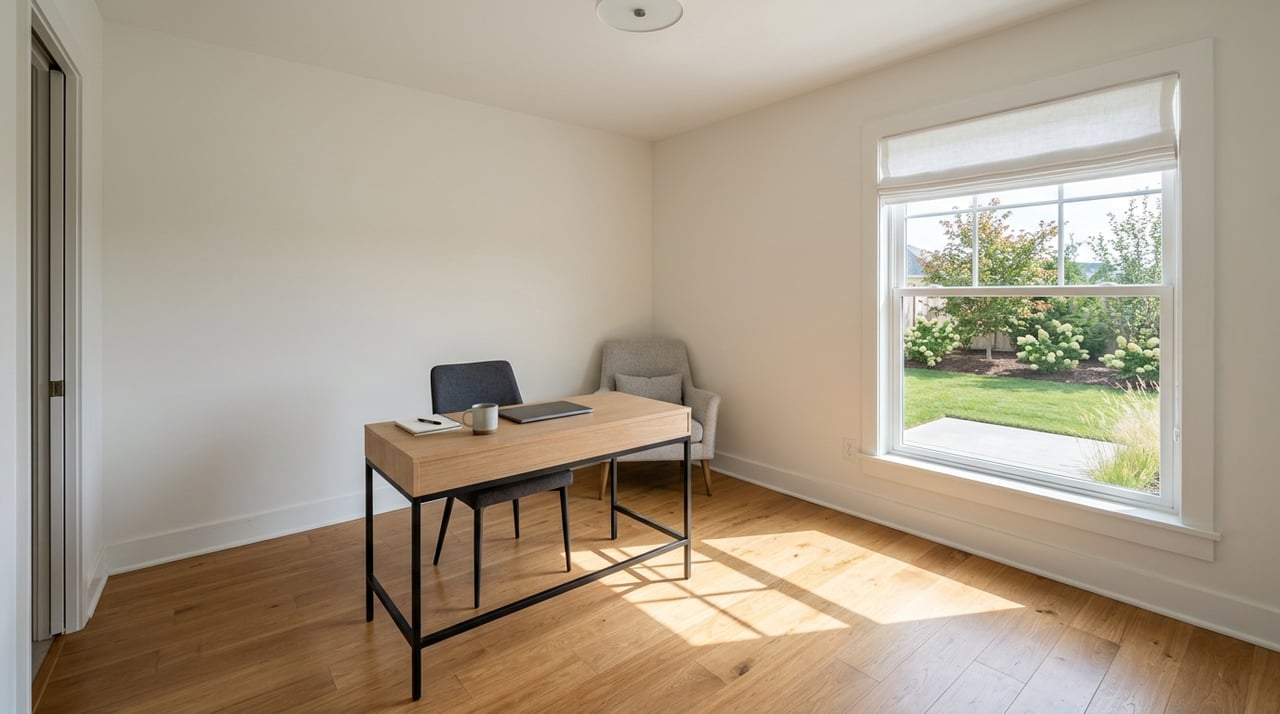
How Remote Work Shapes Longmont Housing Market Trends
April 2, 2026
April 2, 2026
Remote work is not just changing where people log in. It is changing what they want from a home, how they weigh price versus space, and why a city like Longmont keeps showing up on buyers’ short lists. If you are buying or selling in Longmont, it helps to understand how work-from-home and hybrid schedules are shaping local demand right now. Here is what the data says, what it means for this market, and how you can make smarter real estate decisions in response.
If you have been wondering whether remote work is fading, the short answer is no. It has shifted, but it is still a major factor in housing decisions. According to Pew Research, 75% of employed adults with jobs that can be done from home work remotely at least some of the time, and 72% of hybrid workers would choose hybrid if given the option.
That matters in real estate because job location is no longer the main driver for many moves. The National Association of Realtors found that job location did not play a role for 43% of recent clients because they were still working remotely. Only 2% moved because of a return-to-office requirement.
In other words, many buyers now have more flexibility in where they live. That flexibility tends to increase interest in homes that support daily life better, not just the commute.
Longmont is a strong example of how remote work can shape a local housing market. The city’s 2025 Transportation Mobility Plan says 28% of residents work from home. That is a meaningful share of the local population, and it helps explain why housing preferences here may look different than they did a few years ago.
The same report shows that Longmont residents have an average commute of 25.5 minutes, 57% drive alone, and 4% use transit. Even when people work from home part of the week, they still need access to transportation, services, and everyday amenities. Hybrid work often changes the rhythm of daily life, but it does not remove the value of a well-located home.
Longmont has also publicly highlighted features that appeal to remote and hybrid households. In a city update on remote-work possibilities, officials pointed to fast fiber internet and open space as local advantages. Add in expected population growth of about 24,000 new residents by 2035 under the city’s Growth Framework, and you can see why housing demand remains an important local story.
National data gives a clear picture of what many buyers are looking for. The NAR relocation report found that recent buyers most often chose a home for:
Commute convenience ranked below those factors. That tells you something important. For many buyers, home is no longer just where you sleep between workdays. It may also need to support video calls, focused work, breaks outside, and more flexible daily routines.
That does not always mean a formal office with a door. Buyers often want a home that has a bonus room, loft, spare bedroom, or another flexible area that can pull double duty. The same NAR summary noted strong demand for at least one home office or work space across age groups.
Longmont’s housing stock makes these preferences especially relevant. The city’s 2023 Housing Needs Assessment says 63% of the housing stock is single-family detached, 20% is in buildings with five or more units, 9% is attached single-family, and 6% is duplex, triplex, or fourplex housing.
That means Longmont still has a solid base of detached homes, which often align with demand for yards, extra rooms, and more separation between living spaces. At the same time, the city does not have a huge supply of missing-middle housing, which can make it harder for buyers to find flexible space at a lower price point.
There is another local wrinkle. The same housing report says 61% of Longmont homes were built between 1960 and 1999. Many of these homes were not designed with remote work in mind, but they may offer layouts with dens, finished basements, extra bedrooms, or larger lots that can still work well for today’s buyers.
This is where the market gets more nuanced. Remote work has increased demand for homes that can do more, but affordability still limits how much space many buyers can actually purchase.
The NAHB’s 2025 analysis found that the median home size fell to 2,150 square feet in 2024, the lowest level in 15 years. It also reported that townhomes reached a record 17% of the single-family market. That points to a national balancing act: people still want space, but many are adjusting their expectations because of cost.
Longmont reflects that same tension. The city’s Q2 2025 economic indicators put the median residential home sale price at $564,950 and the median condo sale price at $390,000. The city’s Housing Needs Assessment also found that the median 2022 sale price of $611,421 was affordable to only 32% of Longmont households.
If you are buying in Longmont, that often means making tradeoffs. You may be choosing between a detached home with a yard, a newer attached home with a better layout, or a condo that offers affordability but less dedicated work space.
If you are selling, remote work can influence how buyers view your home. Features that support flexibility may matter more than they did before, even if your home does not have a true office.
Buyers may pay close attention to:
The key is not to oversell. It is to help buyers see how a space can work for real life. A guest room can also be a work room. A dining nook can also be a study zone. In this market, flexibility is often more valuable than perfection.
If you are buying, it helps to look beyond the listing label. A home office may not be listed as an office, and a smaller home may still function well if the layout is efficient.
As you tour homes in Longmont, pay attention to:
This approach can open up more options. In a market where affordability matters, the best fit is often the home that offers flexible use of space, not just the biggest square footage number.
Today’s Longmont market appears more measured than the peak frenzy years. The city’s Q2 2025 report recorded 402 residential home sales and 53 condo sales through Q2 2025, along with 81 total new dwelling units permitted. That included more attached permits than detached permits, which may gradually add options for buyers who want flexibility at a lower price than a larger single-family home.
A separate Redfin market snapshot from February 2026 showed a median sale price of $516,250, homes selling in about 75 days, a 98.7% sale-to-list ratio, and 27.8% of listings with price drops. Because the city and Redfin use different methods and timeframes, the exact prices are not directly comparable. Still, together they suggest a market with more negotiating room and a longer decision cycle than buyers and sellers saw in 2021 and 2022.
That can actually help both sides. Buyers may have more time to think through layout and lifestyle fit, while sellers who price and present their home well can still stand out.
The broader signs point to yes, though likely in a more steady form than a sudden surge. Search behavior reported by Redfin suggests that Longmont mostly draws local and regional interest, with 67% of buyers searching to stay within the metro area and 33% searching to move out. Only 1% of inbound search traffic came from outside metros, and Redfin notes that this reflects online search interest rather than actual moves.
That matters because Longmont’s remote-work story is not only about out-of-state relocation. It is also about local and regional households rethinking what they need from their home. Some want more outdoor space. Some want a quieter setting. Some want a home that can support work, life, and weekend downtime all in one place.
If you are buying in Longmont, remote work has likely expanded the list of features worth prioritizing. It may also mean thinking more carefully about tradeoffs between price, home type, and flexible space.
If you are selling, it is worth understanding how your home fits today’s buyer mindset. The right pricing, positioning, and marketing strategy can help buyers connect the dots between your home’s layout and the way people actually live now.
Whether you are planning a move soon or just trying to understand where the market is heading, local context matters. Working with someone who knows how Longmont fits into the broader Boulder County picture can help you make sense of the numbers and the real-life choices behind them. If you want thoughtful, local guidance on buying or selling in Longmont, connect with Zana Leiferman.
Our mission is to not only help our clients build wealth through real estate, but also give back to the community we live in.