How to Prepare Your Boulder Home for Sale Step by Step
April 16, 2026
April 16, 2026
Wondering how much prep your Boulder home really needs before it hits the market? In a high-value market where buyers are looking closely at price, condition, and presentation, the right pre-listing plan can make a real difference. If you want to sell with fewer surprises and a stronger launch, this step-by-step guide will help you focus on what matters most. Let’s dive in.
Boulder buyers are not just shopping by price alone. They are comparing condition, layout, updates, maintenance, and how confidently a home is presented online and in person.
According to the March 2026 Boulder housing stats, single-family homes had a year-to-date median sales price of $1,299,950, an average of 84 days on market, 96.5% of list price received, 274 homes in inventory, and 3.7 months of supply. In a market like that, presentation, documentation, and pricing can all affect your timeline and negotiation room.
If you want a smoother sale, start earlier than you think. A rushed listing often leads to missed repairs, incomplete paperwork, and weaker marketing.
A practical Boulder pre-listing schedule looks like this:
This timeline is a planning recommendation, but it fits Boulder’s documentation needs and the online-first way buyers shop.
Before you think about big upgrades, handle the basics that buyers notice right away. These are often the highest-return tasks because they improve how your home feels from the first photo to the first showing.
The 2025 NAR staging report found that the most common seller recommendations included decluttering, whole-home cleaning, and curb appeal improvements. The same report found that 83% of buyers’ agents said staging made it easier for buyers to visualize a property.
Decluttering helps your home look larger, cleaner, and easier to imagine living in. It also helps photos look sharper and more inviting online.
Start by removing anything that makes a room feel crowded or overly personal. That usually includes extra furniture, piles of paperwork, storage bins, and most countertop items.
A clean home signals care. Even if your house is older, cleanliness can help buyers feel more confident about how it has been maintained.
Focus on floors, baseboards, windows, kitchens, bathrooms, and light fixtures. Pay close attention to pet odors and any lingering smells from cooking, smoke, or storage areas.
Small issues can raise bigger questions in a buyer’s mind. A dripping faucet, loose handle, cracked caulk line, or scuffed wall may seem minor, but together they can make your home feel less move-in ready.
Create a punch list and knock out the simple fixes before photos and showings begin. This step can also reduce distractions during negotiations.
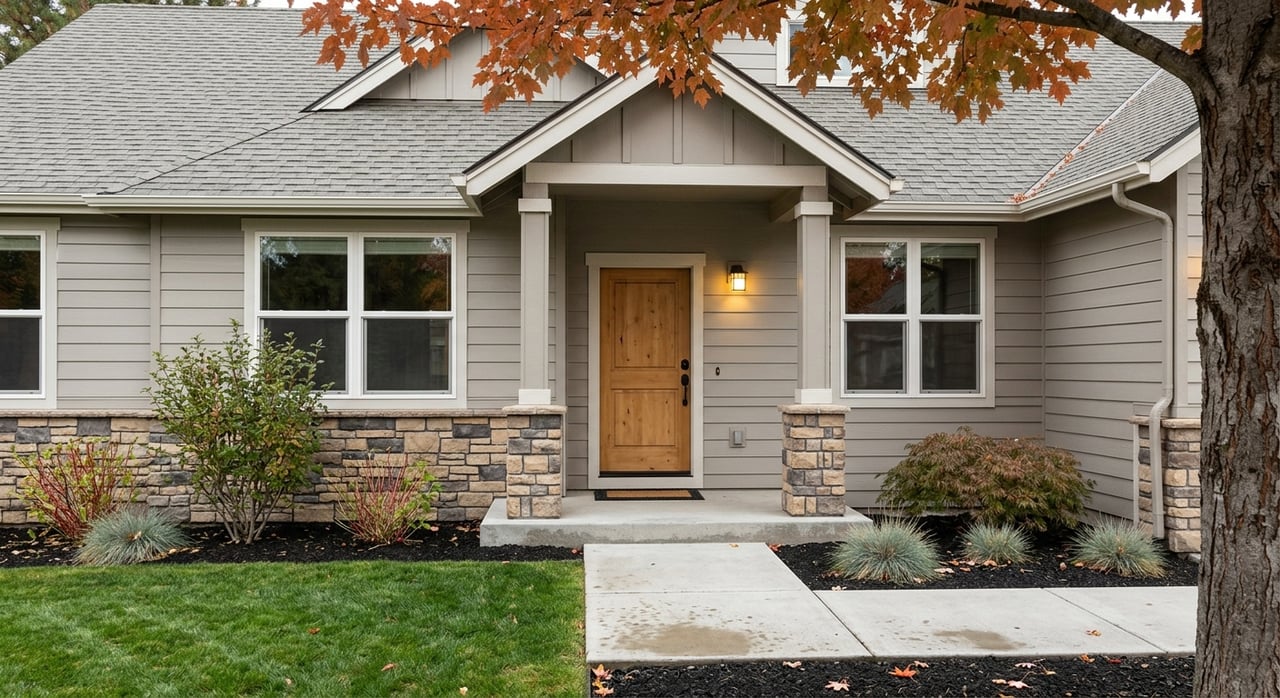
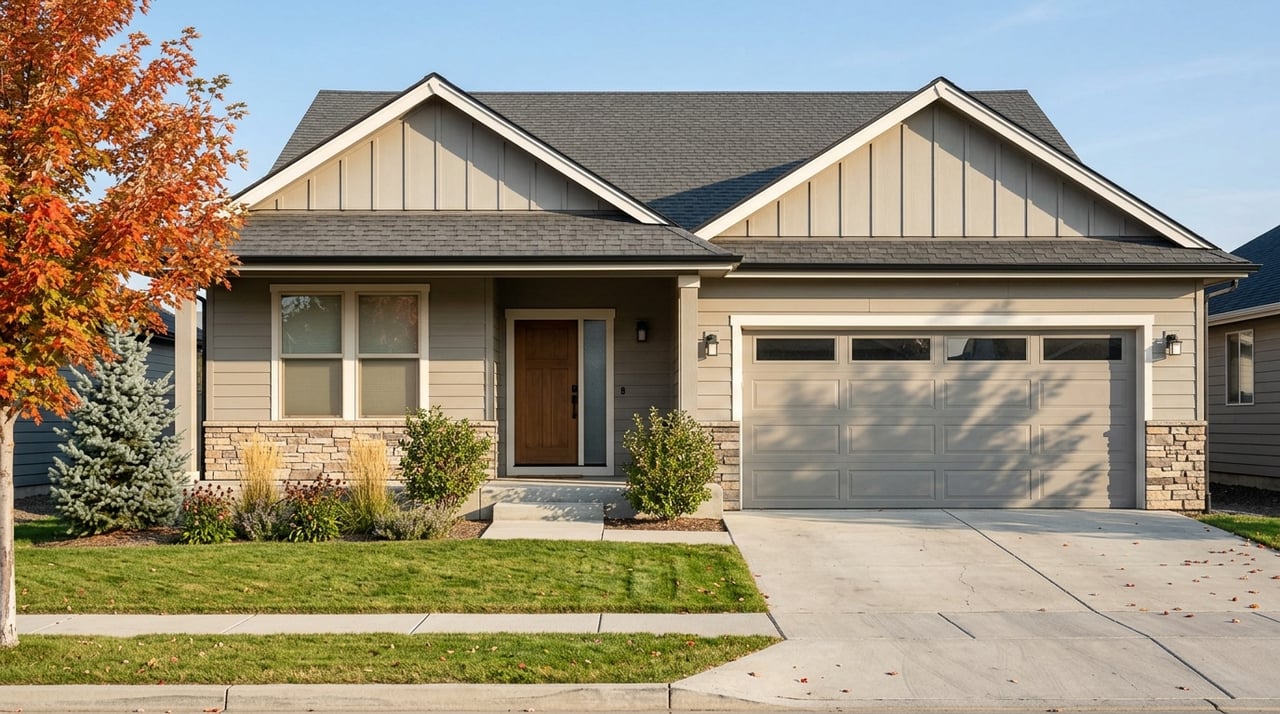
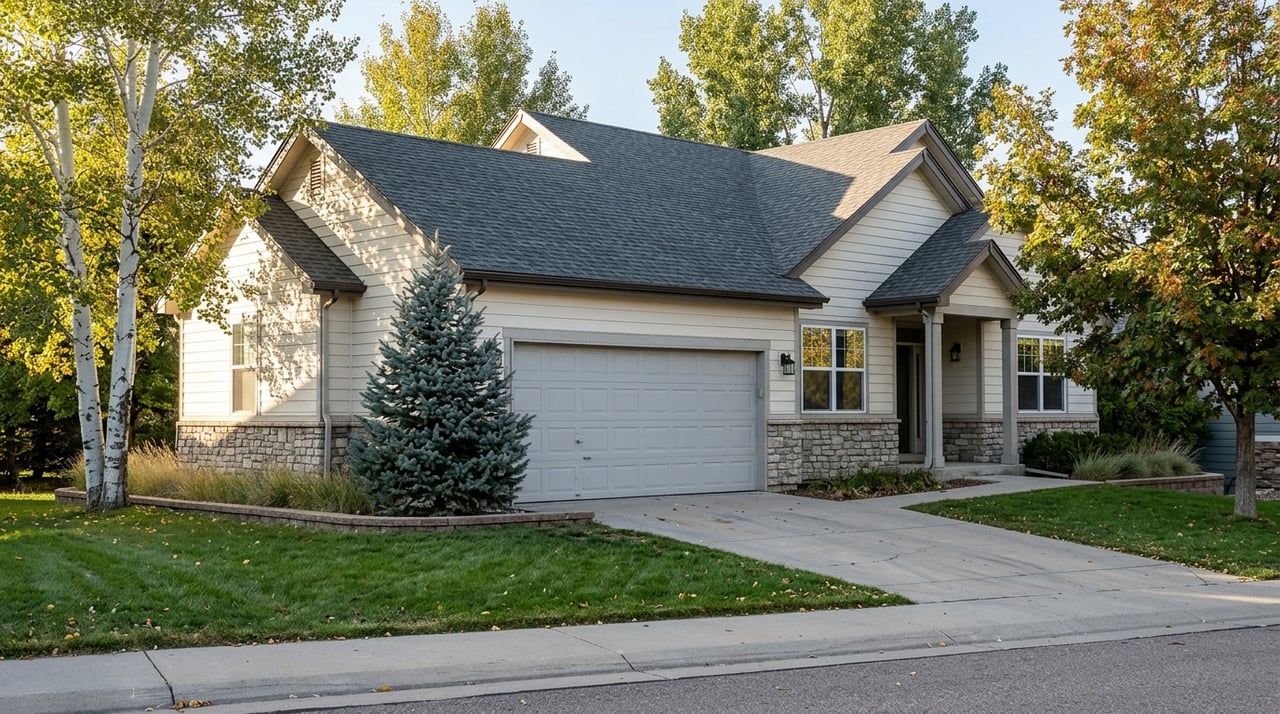
Your exterior sets expectations before buyers even step inside. In Boulder, that first impression matters both online and in person.
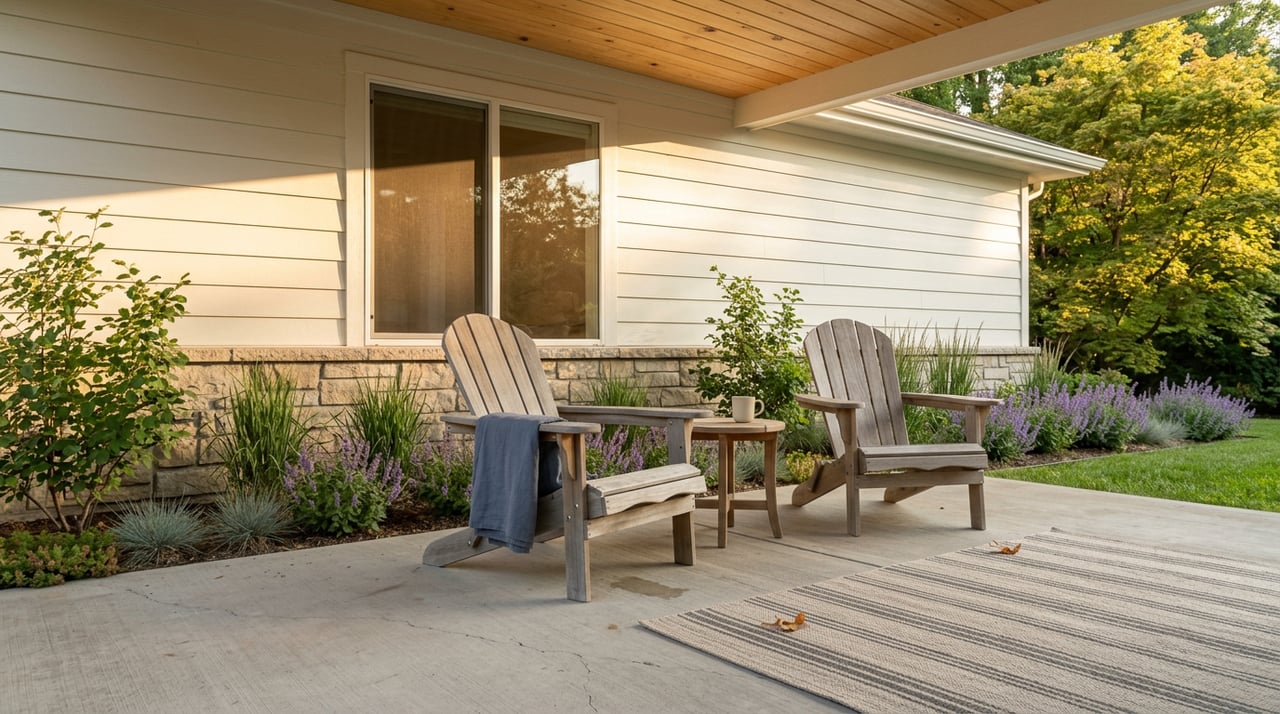
Fresh mulch, trimmed landscaping, swept walkways, clean entry lighting, and a tidy front door area can go a long way. Low-maintenance outdoor improvements are especially helpful because they support a clean, cared-for look without adding complexity.
One of the most overlooked parts of getting listing-ready is documentation. In Boulder, this matters more than many sellers expect.
Colorado’s current residential Seller’s Property Disclosure form became mandatory on January 1, 2026. The form must be completed based on your current actual knowledge, and new adverse material facts must be disclosed promptly.
Before your home goes live, collect the documents that help support a clean and complete disclosure package.
Try to gather:
This helps you answer questions clearly and can reduce delays once buyers start reviewing the property.
If you have completed work over the years, it is smart to verify the permit trail early. Boulder notes that permits are required for many alterations, repairs, removals, replacements, and structural projects.
The city also states that permit history, previous reviews, planned unit development documents, surveys, and certificates of occupancy may be requested through PDS records, and permit information can be reviewed through the city’s permit portal. If you know a buyer may ask about past work, getting these records ready ahead of time is time well spent.
In Boulder, buyers may also pay attention to how a home supports efficiency, maintenance, and resilience. That does not mean you need a major remodel before listing, but it does mean practical upgrades can be worth highlighting.
The city’s Healthy Buildings, Stronger Community roadmap focuses on healthier, more efficient, and more climate-ready homes. Based on those local priorities, sellers can reasonably put extra attention on features like energy updates, visible maintenance, and durable exterior improvements.
If you have made improvements such as insulation updates, newer windows, HVAC replacement, or other efficiency-related work, make sure those items are documented and easy to include in marketing materials.
You do not need to oversell them. Just present them clearly as part of the home’s story and maintenance history.
If your property is in Boulder’s wildland-urban interface area, exterior work deserves added attention. The city explains that WUI code requirements apply when a building permit is issued and are limited to the scope of work.
The city also offers a free detailed home assessment and home-hardening guidance. If you have completed exterior improvements, fencing updates, or vegetation work, it is worth confirming what was done and what records you have.
Today’s buyers usually meet your home online before they ever step inside. That means staging is not just about open houses. It is about helping buyers connect with the property through a screen first.
The 2024 NAR buyer profile shows that all buyers used the internet to search for homes. It also found that 41% said photos were very useful, 39% valued detailed property information, and 31% valued floor plans.
You do not always need to stage every room equally. According to the 2025 NAR staging report, the most commonly staged spaces were the living room, primary bedroom, dining room, and kitchen.
That is a smart place to focus your effort and budget. These rooms shape how buyers understand your home’s style, flow, and daily livability.
Your goal is to help buyers quickly understand how the home lives. Keep furniture placement simple, create open walking paths, and avoid oversized pieces that hide scale.
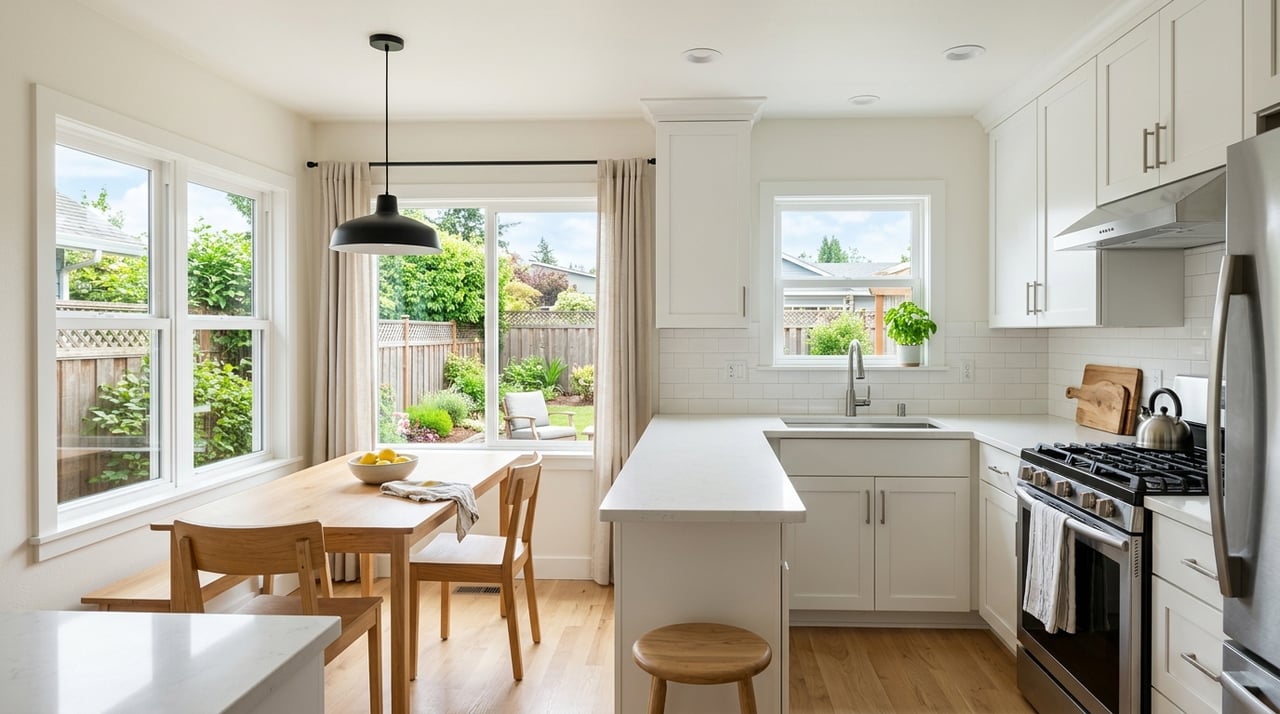
For Boulder homes, it is especially useful to highlight natural light, storage, outdoor living space, visible upkeep, and any updated systems. Those are features buyers can often evaluate even before they schedule a showing.
Professional marketing should be ready before your home goes live. If your listing launches with weak photos or incomplete details, you may miss the strongest early attention.
NAR’s staging research found that buyers’ agents considered photos, physical staging, videos, and virtual tours highly important. That supports a digital-first approach instead of treating media as an afterthought.
Before launch day, make sure you have:
This approach helps your listing make a strong first impression where buyers are actually searching.
Even a beautifully prepared home can lose momentum if it is priced too high. In Boulder, where homes averaged 96.5% of list price in the March 2026 market update, pricing strategy matters from day one.
Your price should be grounded in current comparable sales, active competition, and the pace of the local market. Hoping buyers will stretch beyond market reality can lead to longer days on market and weaker leverage later.
The best Boulder listing plans usually focus on three things at once: cosmetic polish, documentation cleanup, and market-aware pricing. When those pieces work together, your home is easier for buyers to understand, easier to trust, and easier to remember.
If you are thinking about selling, the right plan can help you avoid last-minute stress and launch with confidence. Zana Leiferman and the Real Realty Colorado team bring local Boulder insight, thoughtful preparation, and polished marketing to every listing, so you can move forward with a clear strategy.

Our mission is to not only help our clients build wealth through real estate, but also give back to the community we live in.