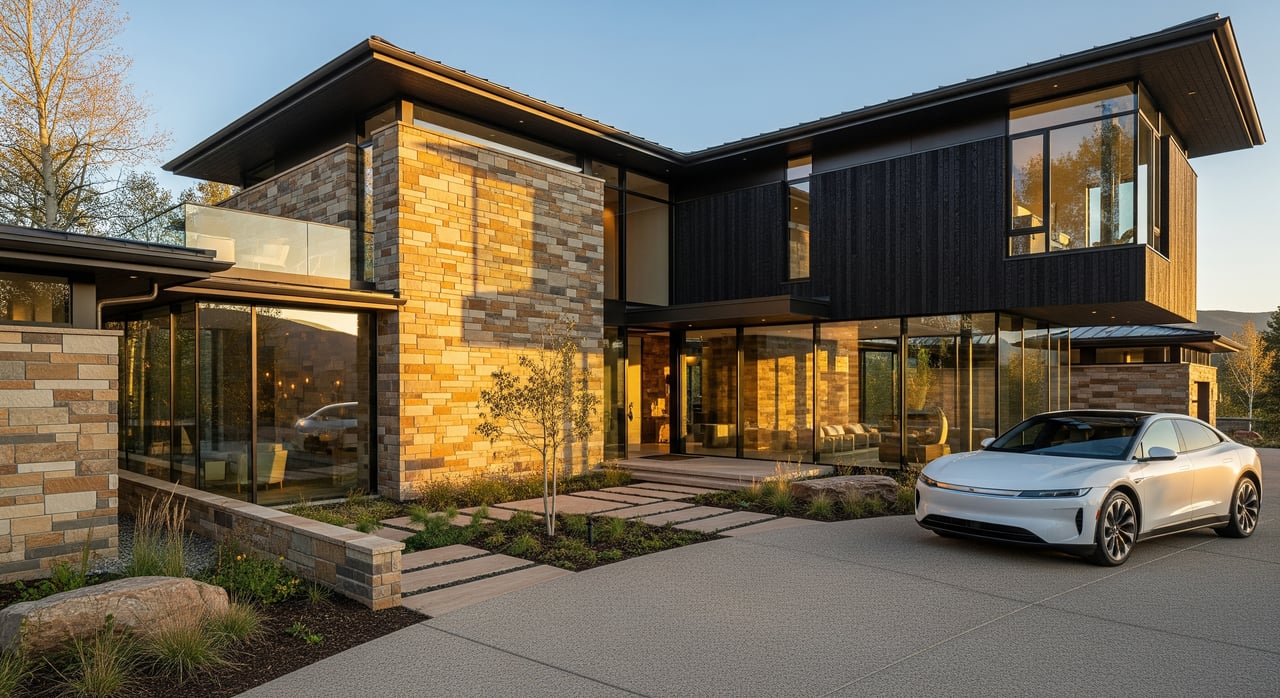
Broomfield vs Westminster Commute & Housing Tradeoffs
January 15, 2026
January 15, 2026
Trying to decide between Broomfield and Westminster for your next move? You are not alone. Both sit along the US‑36 corridor and offer strong access to Denver and Boulder, but the day-to-day feel and commute patterns can differ a lot. In this guide, you will learn how each city stacks up on driving routes, transit options, housing styles, and everyday convenience so you can choose the best fit for your routine. Let’s dive in.
Broomfield and Westminster are neighboring suburbs in the northern Denver metro. Both connect to Denver and Boulder, yet each has its own commute sweet spots and housing mix. Your best choice depends on where you work, how you commute, the type of home you prefer, and how you run daily errands.
From Westminster, you can reach central Denver using I‑25, Wadsworth Parkway, or Sheridan Boulevard depending on your neighborhood. Many Westminster areas sit closer to I‑25 and major arterials, which can mean a shorter downtown drive in peak hours. From Broomfield, you will often route to US‑36 or south to I‑25, which can be competitive but varies by address.
Typical peak travel times can range widely, often between 20 and 50 minutes or more. The route and time of day matter. If downtown Denver is your daily destination, prioritize Westminster neighborhoods with quick access to I‑25 or Wadsworth.
US‑36 is the main artery between Denver and Boulder. Broomfield sits close to this corridor and the Interlocken area, which hosts many office and tech employers. West‑side Westminster neighborhoods near US‑36 can also work well, especially if you are close to on‑ramps.
In peak hours, managed lanes and smart routing help, but congestion still occurs. If your daily commute is Boulder‑bound, living near US‑36 access points in Broomfield or adjacent Westminster can reduce time in traffic.
Many residents make cross‑suburban trips for work and errands. In both cities, local arterials like 92nd, 104th, 112th, 144th, and 160th connect neighborhoods to shopping and park‑and‑ride lots. Wadsworth and Sheridan serve as important north‑south links. If you will drive across the metro for work, choose a home close to the corridor you will use most.
Both cities are served by RTD local and regional bus routes, park‑and‑ride lots, and commuter rail connections. The Flatiron Flyer is a limited‑stop express bus along US‑36 that links Boulder and Denver with stops that serve Broomfield and nearby Westminster. If you plan to ride transit, proximity to a bus stop, rail station, or park‑and‑ride should be a top selection factor.
Commuter rail serving parts of the north metro provides reliable peak service. Off‑peak frequencies can be lower than inner‑metro light rail, so check schedules that align with your work hours. Many commuters drive or bike a short distance to transit nodes, then ride into Denver or Boulder.
Both cities invest in bike lanes and trail networks. The US‑36 bikeway serves the corridor near Broomfield, and Westminster’s trails connect to parks and open space, including Standley Lake. If you plan to bike to transit, look for homes with safe trail or sidepath access to your preferred stop.
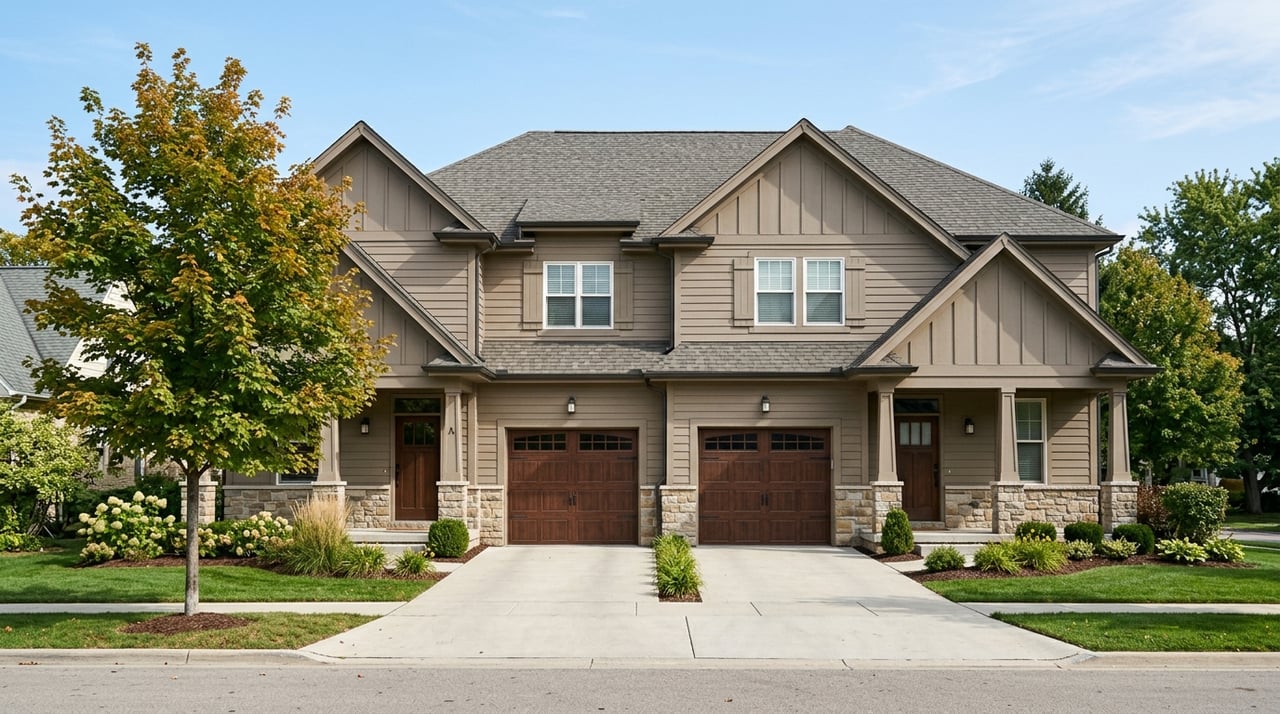
Broomfield features many master‑planned neighborhoods with newer single‑family homes, townhomes, and mixed‑use developments near US‑36 and Interlocken. You will often find modern floor plans, energy‑efficient systems, and HOA‑managed amenities. Apartments and infill condos cluster around commercial and transit nodes.
The tradeoff for newer construction can be a higher price per square foot. Landscaping may be younger, and some subdivisions sit farther from older commercial cores. If you want move‑in ready features and community amenities, Broomfield offers many options.
Westminster offers a broader mix of housing ages and styles, from established post‑war and 1970s–1990s neighborhoods to new master‑planned areas and infill projects near transit. This variety can create more options across price points and lot sizes. Rental communities near commercial corridors add flexibility if you want to test a location before buying.
If you prefer established yards or a lower entry price, older Westminster neighborhoods can be appealing. Factor in inspection and maintenance planning, since some systems may be older. Newer Westminster subdivisions provide modern features similar to Broomfield, especially on the city’s north and west sides.
You can access big‑box retail, grocery chains, and local dining in both cities. Broomfield’s FlatIron Crossing area is a major regional shopping node. Westminster has several shopping districts and growing mixed‑use centers. Convenience depends on your neighborhood’s distance to these hubs, so map your weekly errands before you choose a home.
Westminster is known for Standley Lake Regional Park, several golf courses, and greenbelt corridors that connect neighborhoods. Broomfield offers extensive trail systems and quick access toward the foothills and Boulder. If outdoor access is a priority, decide whether lakefront recreation or a foothills‑oriented trail network fits how you spend weekends.
Walkability varies by neighborhood in both cities. Newer mixed‑use and redeveloping nodes usually have more options within a short walk. Larger subdivisions and power‑center retail strips often require a car for most errands. If you want to walk for coffee or groceries, prioritize homes close to those nodes.
Use your daily route as your North Star. Your address relative to the corridor you drive most will shape your experience more than the city name alone.
Use this quick list to narrow your search:
Focus on Westminster neighborhoods with fast access to I‑25 or Wadsworth. Your drive can vary widely with traffic, often in the 20 to 50 minute range. If you plan to use transit, look for reliable bus connections, rail access, or a convenient park‑and‑ride.
Prioritize Broomfield or west‑side Westminster for shorter hops to US‑36. Living near a Flatiron Flyer stop or a park‑and‑ride can make daily commutes simpler. If you bike, check for safe trail connections to your transit node.
Choose a location with multiple corridor options. Neighborhoods near US‑36 that also connect quickly to Wadsworth or I‑25 can hedge against peak‑hour congestion. Test both directions during the hours you plan to travel.
Buying in Broomfield or Westminster is about matching your daily life to the right location and home type. You need a guide who knows these corridors, the transit nodes, and the neighborhood‑level nuances that do not show up on a map. Our team lives and works in the Front Range and brings local insight to your search.
We will map your commute, tour neighborhoods at your actual drive times, and compare new construction and resale options that fit your budget. We will also help you weigh HOA fees, taxes, utilities, and long‑term resale considerations near employment hubs and transit. When you are ready, reach out for a thoughtful plan that turns tradeoffs into clarity.
Ready to explore Broomfield vs. Westminster with a local expert by your side? Connect with Zana Leiferman for personalized guidance and next steps.

Our mission is to not only help our clients build wealth through real estate, but also give back to the community we live in.