Thinking about selling your Longmont home this winter? You might be wondering how the colder months, shorter days, and shifting buyer activity affect your bottom line. You are not alone. Many local homeowners want clarity on pricing, timing, and the few prep steps that actually move the needle. In this guide, you will learn how winter seasonality plays out in Longmont, how to estimate a realistic sale price, and what to do now to earn strong offers without overspending. Let’s dive in.
What shapes winter pricing in Longmont
Winter changes both supply and demand. In Longmont, new listings usually slow between November and February. That means you often face less competition, yet overall buyer traffic can be lighter. The buyers who are out shopping tend to be highly motivated due to job transfers, life events, or tight timelines.
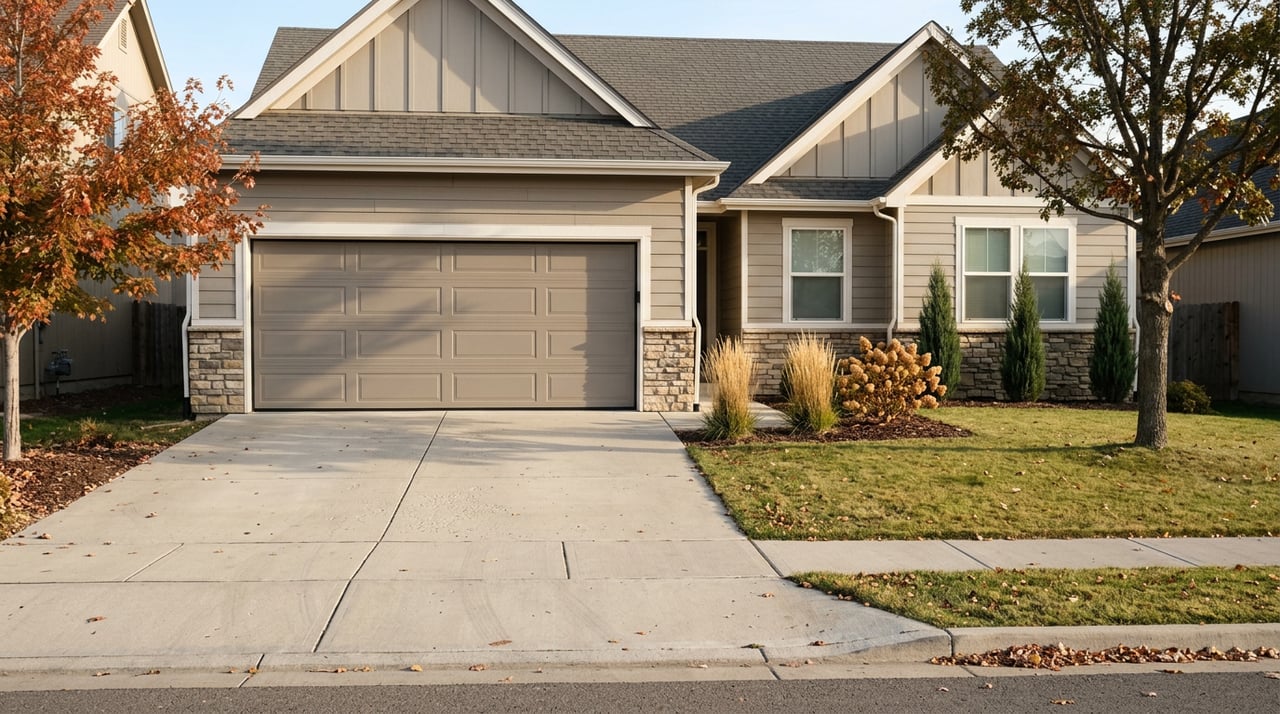
You should plan for longer Days on Market compared with peak spring months. Price reductions and seller concessions are more common in slower seasons, so precision on pricing is critical. Weather and curb conditions also matter more. Clear snow and ice, improve exterior lighting, and freshen up entry areas to keep first impressions positive.
Mortgage rates and local employment trends can influence buyer budgets and urgency. Track current rate direction and any notable job news when you decide whether to price for speed or to hold out for a higher number.
Estimate your Longmont winter sale price
A thoughtful, local comp analysis gives you the best answer to “what could my home sell for this winter?” Use a price range rather than a single number and include likely time on market.
Define your comp set
- Start with your neighborhood or subdivision within about 0.5 to 1 mile.
- Match school boundaries and county lines when relevant, since Longmont spans Boulder and Weld counties.
- If recent activity is thin nearby, use similar Longmont neighborhoods with comparable homes.
Use the right time window
- Favor closed sales from the last 3 to 6 months.
- If the market has been shifting quickly, you can widen to 6 to 12 months, then adjust for market direction.
Match property characteristics
- Align on home type, finished square footage, beds and baths, lot size, age and condition, basement finish, garage, and major updates.
- Note meaningful upgrades like a newer roof, HVAC, energy improvements, or a remodeled kitchen or bath.
Adjust for differences
- Add or subtract value for significant differences such as extra bedrooms, finished basements, lot premiums, or recent remodels.
- Document your rationale so the range feels objective and defendable.
Check active and pending competition
- Active listings show current competition and pressure on price.
- Pending sales are strong indicators of what buyers are agreeing to pay right now.
Account for market direction
- If prices are trending up or down month to month, apply a modest trend adjustment to older comps.
- Also consider current inventory and average Days on Market in your segment.
Produce a price band
- Create a low, most likely, and high scenario with an expected time on market.
- Include the likelihood of multiple offers based on active competition and showing activity.
What moves value in Longmont
When you review comps or plan improvements, give extra weight to features local buyers value:
- Finished living area and basement finish
- Updated kitchen and primary bath
- Energy efficiency, newer mechanicals, and reliable heating
- Garage and on‑site parking
- Usable yard and outdoor living areas
- Proximity to open space and trails, including access points along the St. Vrain Greenway
- Any special disclosures such as floodplain status
Winter prep that boosts your net
The right preparation helps you protect price and shorten time on market. Focus on improvements with the best near‑term return.
Highest‑priority items
- Clear and safe access: shovel walks and driveways, de‑ice, and make house numbers visible.
- Bright exterior lighting for short daylight hours, including porch and pathway lights.
- Deep clean and declutter: remove excess furniture, depersonalize, and maximize light.
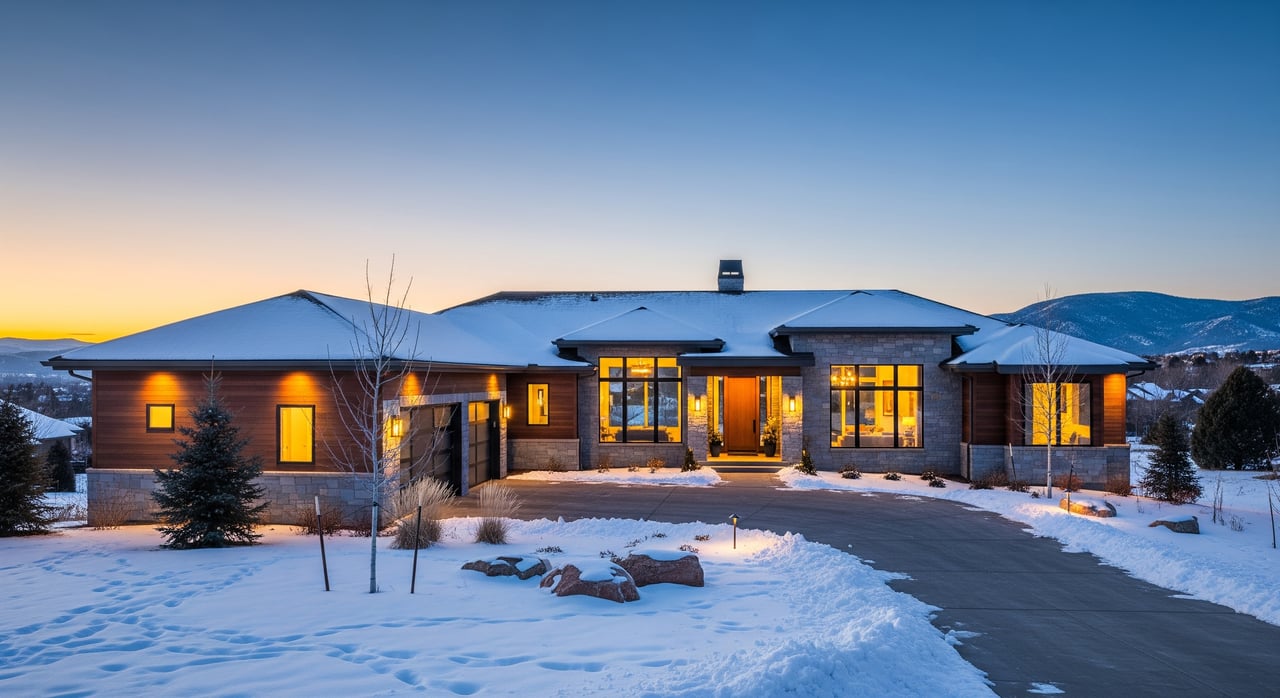
- Professional photography, including twilight shots that make your home feel warm and inviting.
- HVAC tune‑up and new filters. Keep maintenance records handy.
- Minor fixes and touch‑up paint to remove easy objections.
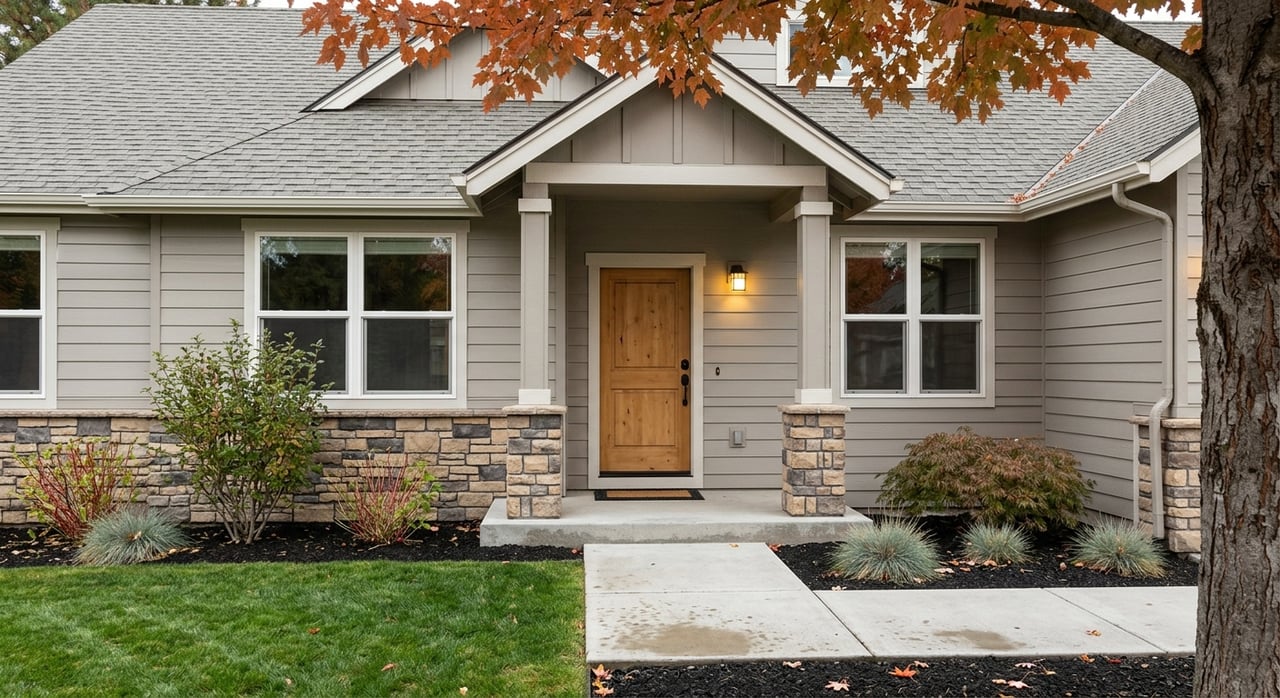
- Winter curb appeal: tidy beds, trim shrubs, a clean doormat, and simple seasonal touches.
Medium‑priority items
- Staging for functional winter living: defined spaces, cozy but uncluttered.
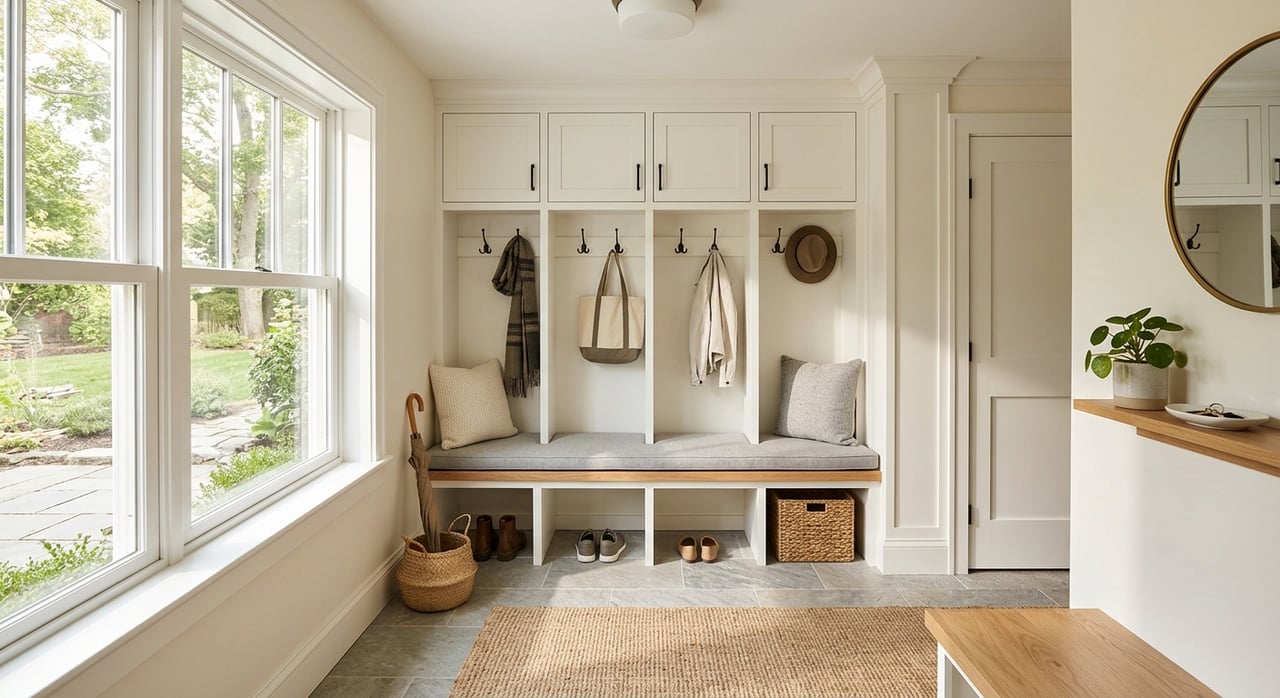
- Storage solutions where they count, like hooks and benches near entries.
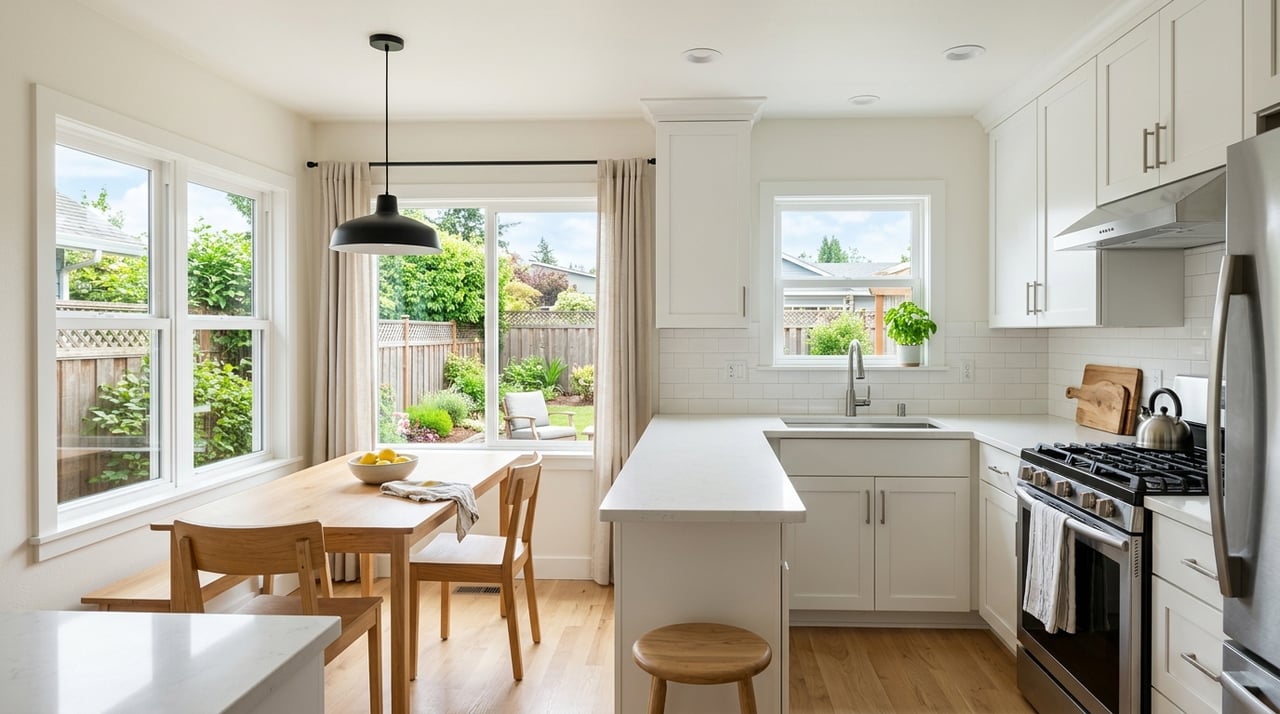
- Light cosmetic updates in kitchens and baths, such as hardware, lighting, and fresh caulking.
- Consider a pre‑listing inspection if you want fewer surprises during negotiations.
Case‑by‑case items
- Major remodels or additions rarely pay back immediately in winter unless your comps prove a strong premium for that feature.
- Extensive landscaping can wait for spring unless curb issues are clearly hurting showings.
Documentation to prepare
- Colorado Seller Property Disclosure and, if applicable, lead‑based paint disclosure for pre‑1978 homes.
- HOA documents, recent utility costs, and any permits or renovation records.
- Highlight energy upgrades, newer systems, and appliance updates in your marketing.
Negotiation and timeline tips for winter
Expect buyers to negotiate on inspection items and sometimes request seller concessions. Flexible possession or closing timing can strengthen your position. Pricing near solid closed comps can reduce appraisal risk if comparable sales are limited.
A typical winter listing timeline looks like this:
- 2 to 4 weeks before listing: declutter, complete minor repairs, service HVAC, consider a pre‑inspection, and book photography.
- Listing week: launch with professional photos, clear online marketing, and showings. Open houses may be used depending on weather and local norms.
- 1 to 6 weeks after listing: track showings and feedback, review offers as they come, and prepare for inspection and appraisal.
- Closing: 30 to 45 days is common. State your preferred timing early to attract compatible buyers.
Should you wait for spring?
Not always. Spring usually brings more buyers, but it also brings more competing listings. In winter, the buyers who are active tend to be serious and inventory is often leaner. If you value a quicker sale and lower carrying costs, a well‑priced winter listing can be smart. If your only goal is to push top price and you can wait, spring may offer more upside. Your best answer comes from a current, hyper‑local CMA that weighs today’s inventory, rates, and recent closings near your home.
Next steps: get a custom winter valuation
A strong pricing plan uses live local data and a clear prep checklist. Here is what a custom winter valuation should include:
- Neighborhood‑level MLS comps across closed, active, and pending listings
- Adjustments for your home’s condition, updates, lot, and finishes
- Read on Days on Market, price reductions, and inventory in your segment
- A recommended list price with a data‑driven price band and timing options, including sell now versus wait
- A prioritized prep plan with estimated costs and staging notes
Want clarity on what your Longmont home could sell for this winter and how to prepare for a smooth sale? Connect with Zana Leiferman to get your free home valuation and a custom plan tailored to your goals.
FAQs
Will a Longmont home sell for less in winter?
- Not necessarily. You often see fewer buyers and fewer listings. Motivated buyers and lower competition can balance pricing if you present and price strategically.
How should I price my Longmont home in winter?
- Use recent local comps, check active and pending competition, adjust for differences, and create a price range with expected time on market rather than a single number.
What prep has the highest impact for winter showings?
- Safe, well‑lit access, professional photography, deep cleaning and decluttering, HVAC service, and simple cosmetic fixes typically deliver the best near‑term return.
Should I do a pre‑listing inspection before a winter sale?
- It can reduce surprises and support cleaner negotiations, especially for older systems. If issues appear, decide whether to repair or price accordingly.
What features do Longmont buyers value in colder months?
- Reliable heating, energy efficiency, functional storage and garage space, safe entryways, and proximity to parks and trails are commonly important.